

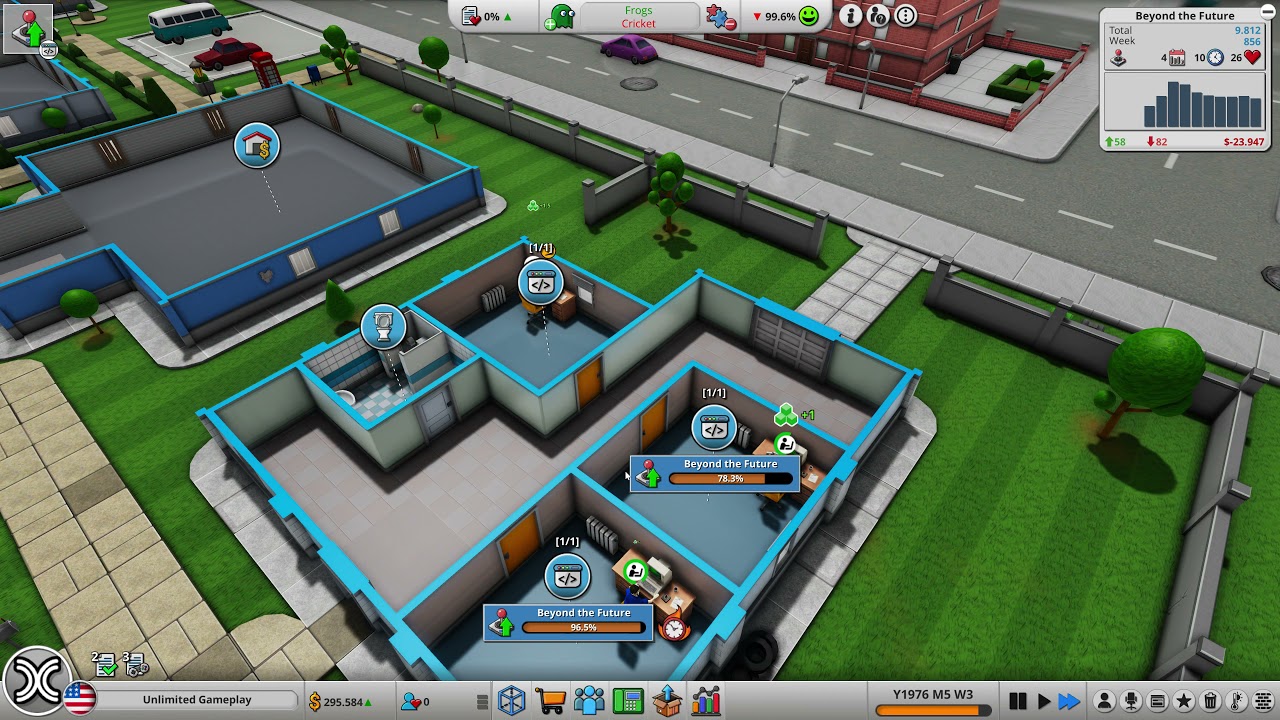
Simulation activities give players a chance to manage resources and solve problems through practical choices. They create situations where every decision can influence future progress. Players learn to set goals and consider possible results before taking action. Simple activities such as trivia for kids can also encourage careful thinking by asking participants to recall facts and select suitable answers. These tasks make learning enjoyable while building useful habits. Regular practice helps players understand planning and improve their ability to respond to changing situations.
Resource Management Builds Better Thinking
Managing limited supplies teaches players to use available items wisely. Each choice affects future progress and encourages careful spending.
Goal Setting Creates Clear Direction
Setting achievable targets gives players a clear purpose. Breaking large tasks into smaller steps makes progress easier to measure.
Time Control Improves Task Completion
Time limits encourage players to focus on important duties. They learn to complete essential tasks first while avoiding unnecessary delays.
Problem Solving Encourages Logical Decisions
Unexpected challenges require players to review available choices. Thinking through possible outcomes helps them find useful solutions.
Building Effective Resource Strategies
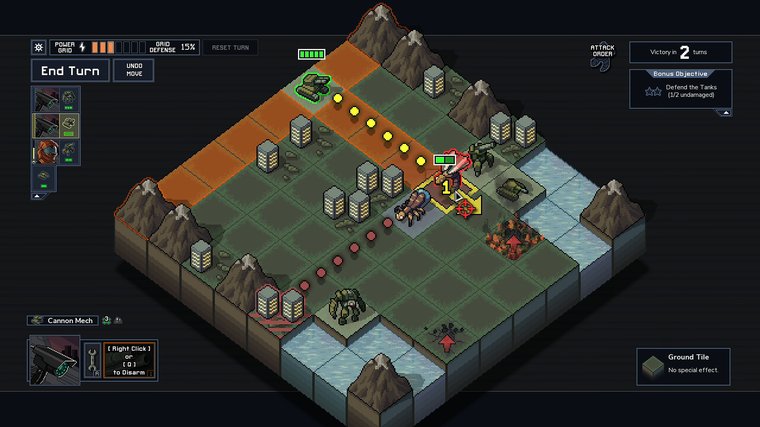
Strong planning begins with understanding available resources. Players must decide which items deserve attention and which tasks can wait. These habits support better judgement in challenging situations.
– List available resources before starting.
– Set priorities based on current goals.
– Avoid spending everything at once.
– Keep reserves for unexpected problems.
– Review resource use after each stage.
Creating Plans With Measurable Goals
Clear goals help players organise their actions. A useful plan includes small steps that can be checked regularly. This approach makes complicated tasks easier to manage.
– Choose one main objective.
– Divide it into smaller tasks.
– Set a reasonable time limit.
– Check progress after each stage.
– Change the plan when needed.
Learning From Decisions And Results
Every choice can provide useful feedback. Players who review their results can understand what worked and what needs improvement. Educational activities such as trivia for kids encourage participants to think carefully before choosing answers. Similar habits can support better planning in resource management and problem-solving.
– Record important decisions.
– Compare expected results with actual outcomes.
– Identify mistakes without giving up.
– Repeat methods that prove useful.
– Apply lessons to future challenges.
Simulation activities help players practise thoughtful choices in a structured setting. Resource control and goal setting build useful habits. Reviewing outcomes also reveals where adjustments are needed. The best approach is to begin with simple tasks and gradually introduce harder challenges. Consistent practice can strengthen logical thinking and encourage better decisions in everyday situations.